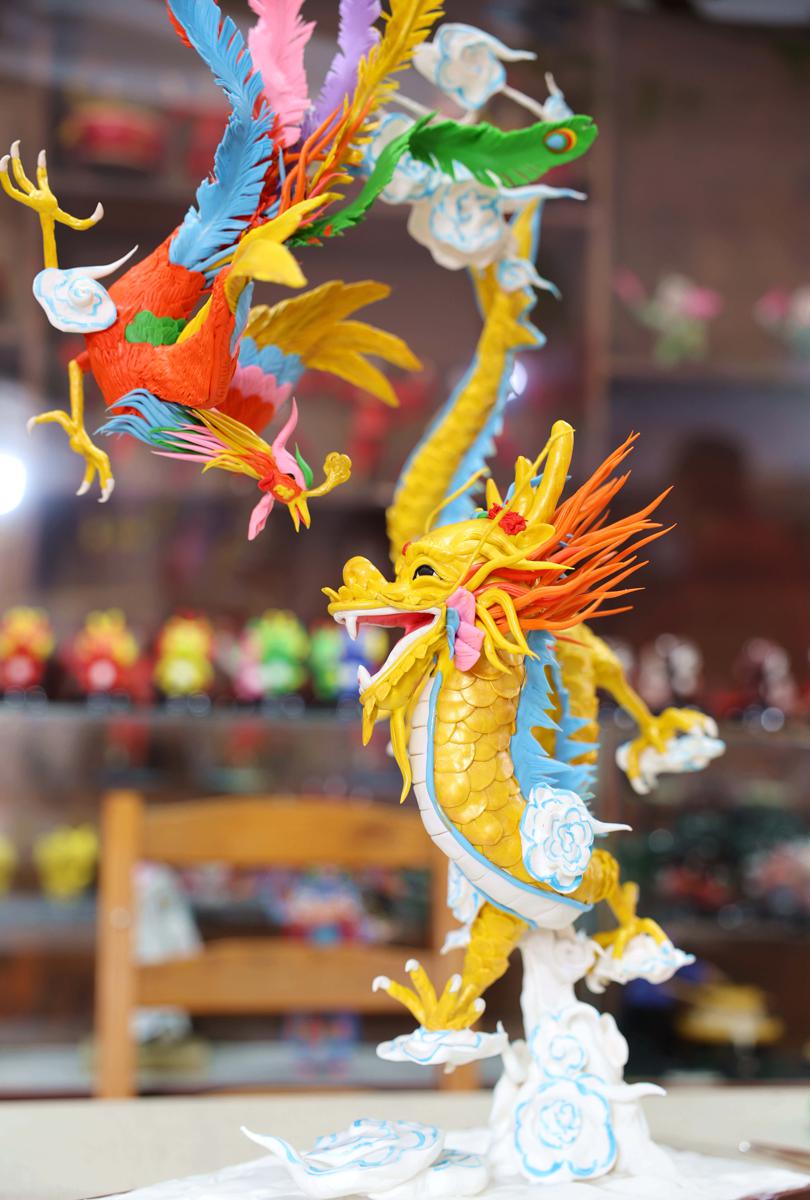
Dough Sculpture
Introduction
Dough sculpture is a traditional folk art form that has been celebrated for centuries in China. This art form involves the creation of intricate and lifelike figures and scenes using dough as the primary medium. The dough itself is typically made from ingredients such as wheat flour, glutinous rice flour and water, which are then shaped, molded and colored to produce a variety of forms ranging from historical figures to mythical creatures.
Historical Background
The origins of dough sculpture in China can be traced back over a thousand years. The practice initially emerged as a craft associated with religious rituals and cultural festivals, where dough figurines were used in offerings and celebrations. Over time, it evolved into a sophisticated art form, with craftsmen developing unique styles and techniques to perfect their creations.
In various regions of China, different styles of dough sculpture have developed, each reflecting local customs and cultural influences. For example, the Nantong style is known for its origin in ancient sacrificial ceremonies, while the Langzhuang style is famous for its vivid depictions of folk tales and real-life characters.
Cultural Significance
Dough sculptures hold cultural significance as they are often used to mark important occasions and festivals. In Shanxi province, for instance, dough sculptures are a key symbol during festivities, representing auspiciousness and best wishes. These sculptures are not only decorative but also serve as a means of storytelling, preserving folk tales and historical narratives through visual art.
The tradition of dough sculpture has been recognized as an intangible cultural heritage, emphasizing its cultural and educational value. It is seen as a way to connect with the past and pass down stories and techniques to future generations. This aspect of cultural transmission is evident in the works of various artists and inheritors of the craft, who strive to educate and engage young people with this art form.
Techniques and Innovations
The creation of dough sculptures involves a meticulous process that includes kneading, shaping, molding and painting the dough. Artists use a variety of tools such as scissors, bamboo sticks and sometimes even their fingers to achieve the desired textures and details. The dough can be dyed using natural pigments to enhance the visual appeal of the sculptures.
Innovations in dough sculpture have emerged as artists incorporate modern elements and themes into their works. Moreover, the use of new media and technology, such as live-streaming and social media platforms, has allowed artists to reach wider audiences and engage with fans globally.
Educational and Cultural Impact
Dough sculpture is not only an art form but also an educational tool that fosters cultural exchange and creativity. Workshops and exhibitions are regularly held to introduce people, especially children, to the craft. These events provide hands-on experiences, allowing participants to learn about traditional techniques and the cultural stories behind the sculptures.
In educational settings, dough sculpture is used to teach students about Chinese history and folklore, offering a tactile and interactive way to explore cultural heritage.








